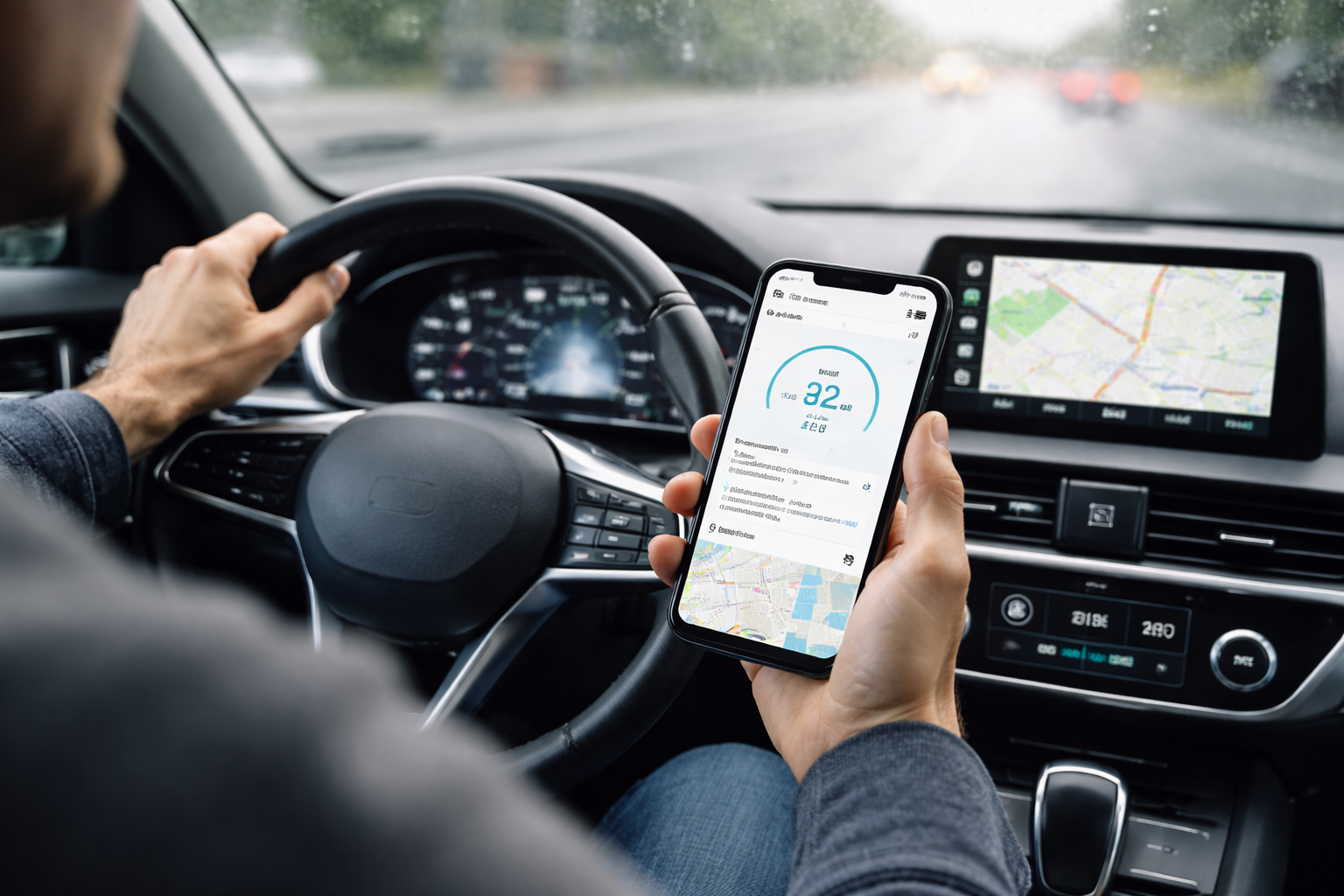
Many drivers and business owners assume auto insurance is based mostly on age, location, and claims history. But some policies now look at something more direct: how a vehicle is actually driven. This is where telematics, also called usage-based insurance, comes in.
Below are the key ways telematics works and why it matters for both personal and commercial auto insurance.
1. What Telematics Measures
Telematics uses devices or built-in technology to track how a vehicle is used. This can include factory-installed systems, mobile apps, Bluetooth beacons, or plug-in devices connected to the vehicle’s OBD port.
It can measure things such as:
-
Mileage and time of day driven
-
GPS location and trip patterns
-
Driving behaviors like hard braking, rapid acceleration, speeding, and distracted driving
Important: Telematics focuses on real driving habits and usage, not just who the driver is. This allows insurers to better match premiums to actual risk.
2. How Telematics Can Affect Insurance Costs
Telematics can influence how premiums are calculated by using real driving data instead of only traditional rating factors. For many drivers and businesses, this can mean pricing that better reflects how the vehicle is actually used.
This may include:
-
Discounts for safe driving
-
Premiums based on actual mileage and habits
-
Incentives for driving fewer miles
Driver Tip: Telematics programs often work best for drivers who maintain consistent, safe habits and spend less time on the road.
3. Benefits For Businesses And Fleets
For commercial auto and fleet operations, telematics provides insight into how vehicles are being driven and where risks may exist. It can help managers understand patterns and take action before problems lead to claims.
Business benefits can include:
-
Identifying unsafe driving behaviors
-
Improving driver accountability and training
-
Reducing fuel and operating costs
-
Managing risk across multiple drivers
Pro Tip: Telematics data can highlight drivers who may need coaching, helping prevent losses over time.
4. How Drivers Benefit Personally
Some drivers worry telematics feels like constant monitoring. While that concern is common, many drivers find value in seeing their own driving data and understanding how habits affect safety and cost.
Personal benefits may include:
-
Greater awareness of driving behavior
-
Proof of safe driving habits
-
Access to incentives or rewards
-
Feedback that helps reduce accident risk
Note: For businesses, telematics can also reduce disputes about vehicle use and create clearer accountability.
5. Maintenance And Compliance Support
Telematics can help track mileage, engine performance, and maintenance needs. For businesses that must keep driving records or meet compliance standards, this data can simplify reporting and documentation.
Additional advantages include:
-
Simplified recordkeeping
-
Early identification of mechanical issues
-
Monitoring driving hours or routes
Moving Forward: Is Telematics Right For You?
Telematics can provide fairer pricing for personal drivers and better risk control for businesses. Drivers with safe habits and lower mileage often see the most benefit, while businesses gain insight that helps reduce losses and improve operations.
Understanding how telematics works can help you decide whether a usage-based program fits your needs.
If you have questions about telematics or want to explore your options, the team at Georgetown Insurance Agency is here to help.
Helping drivers and businesses stay protected, informed, and prepared.